Related Articles
- 5 Emerging Solar Panel Sensors from the Past Five Years That Are Disrupting Industry Standards
- How Soil Microbes Influence Solar Panel Efficiency and What It Means for Long-Term System Care
- Top 5 Under-the-Radar Solar Inverters Launched Since 2019 That Unlock Hidden State Incentive Perks
- How Solar Equipment Ownership Influences Local Job Markets and Community Economic Growth Patterns
- Unexpected Environmental Consequences of Solar Net Metering on Local Wildlife Habitats and Migration Patterns
- 5 Breakthrough Solar Battery Storage Systems From the Past Five Years Ranked by Real-World Reliability

5 Hidden Financial Benefits of Solar Net Metering You’ve Never Considered
5 Hidden Financial Benefits of Solar Net Metering You’ve Never Considered
5 Hidden Financial Benefits of Solar Net Metering You’ve Never Considered
1. Enhanced Property Value Beyond Energy Savings
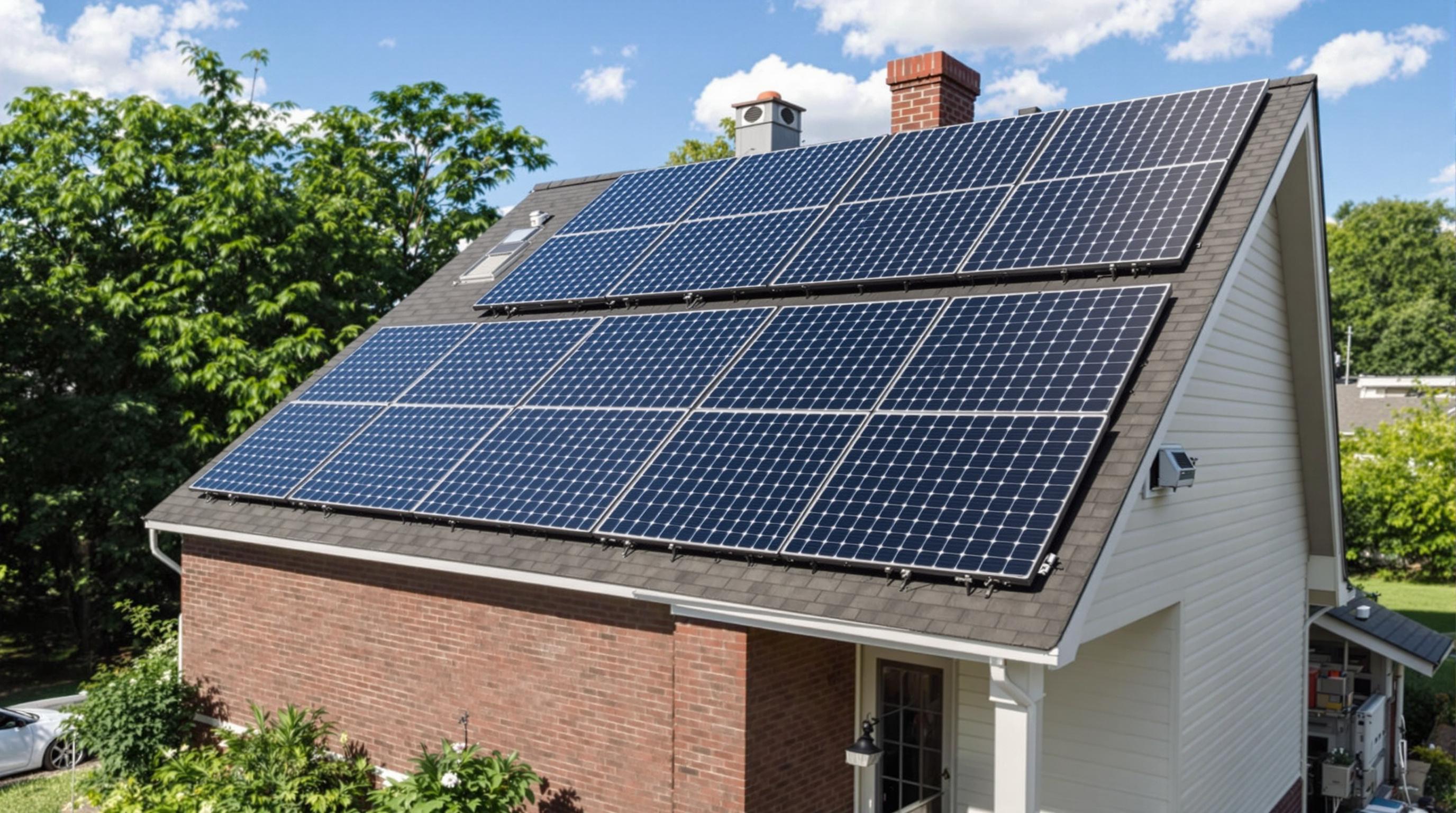
When you install solar panels with net metering capabilities, your property’s market value often increases. Many buyers view solar-equipped homes as more desirable due to the promise of reduced electricity bills and sustainable living.
Studies show that homes with solar panels can sell at a premium—sometimes upwards of 4-6% more than comparable non-solar homes. This uplift isn't just due to energy savings but also reflects the appeal of advanced, future-proof technology.
Additionally, net metering ensures that the solar system remains financially viable, making the property even more attractive in competitive housing markets. This hidden benefit can offset the initial cost of installation over time.
2. Avoiding Future Utility Rate Inflation
Utility companies regularly adjust rates for electricity based on various factors, including fuel prices and infrastructure costs. With net metering, you effectively hedge against these increases by generating your own electricity.
This financial benefit goes beyond immediate savings. As traditional power rates go up, the value of each kilowatt-hour you generate and export increases, making future bills more predictable and stable.
Net metering programs allow surplus energy to be credited, essentially “banking” power for when utility rates peak. This feature makes it easier to budget household expenses and avoid unpredictable spikes in energy costs.
3. Improved Cash Flow Through Energy Credits
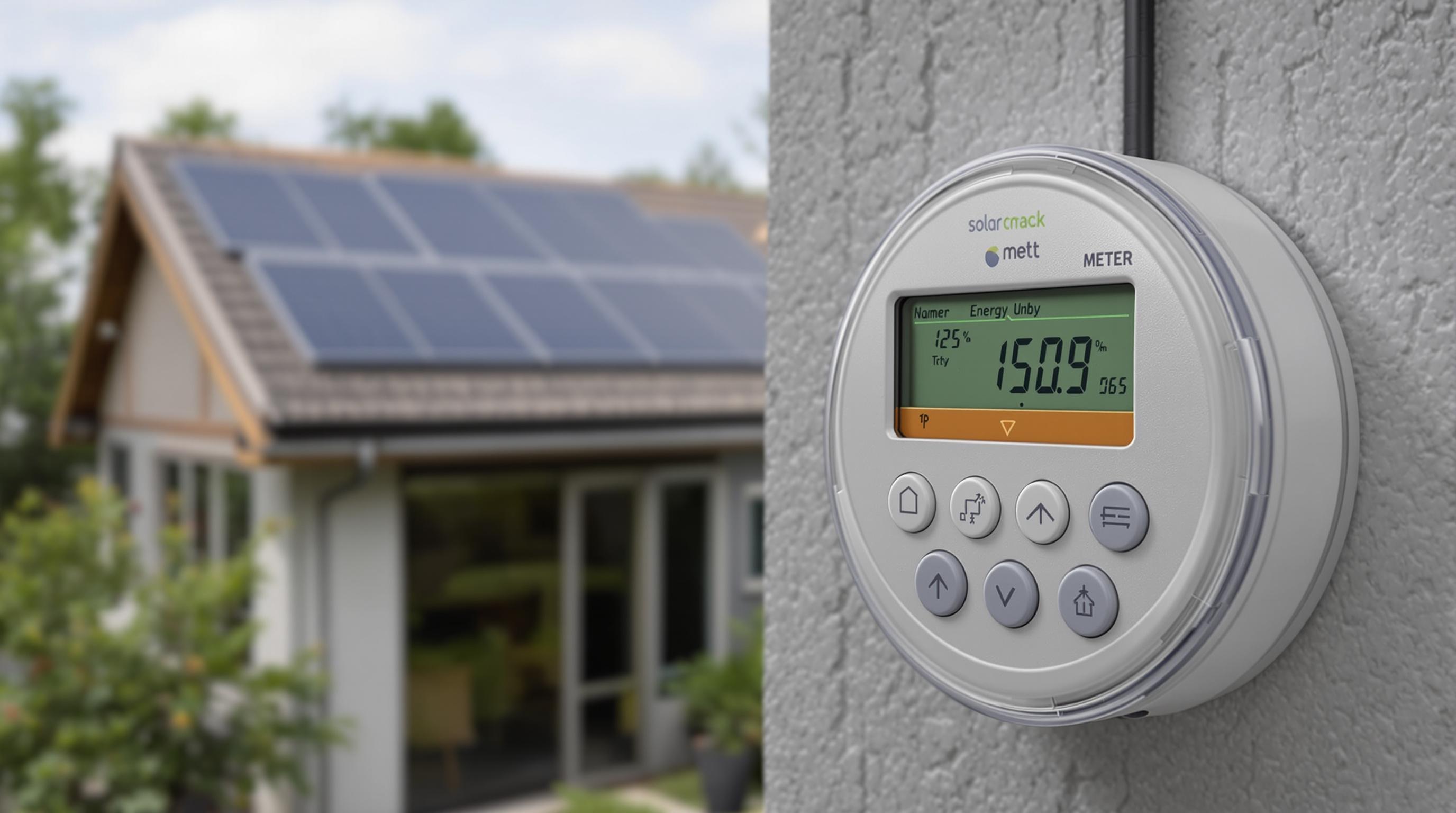
Net metering allows consumers to earn credits when their solar panels produce more energy than they consume during daylight hours. These credits reduce future bills, acting almost like a micro-revenue stream.
Instead of simply cutting costs, net metering enables homeowners to generate value that accumulates over billing cycles. This improved cash flow can be used to offset other household expenses or reinvest in energy efficiency improvements.
Moreover, some states and utilities permit credit rollover beyond the monthly billing cycle, further enhancing the financial flexibility net metering provides to solar owners.
4. Reduced Need for Large Energy Storage Investments
Energy storage systems such as batteries can be expensive, often adding thousands to the cost of solar setups. Net metering reduces or negates the need for substantial storage by allowing excess solar generation to be sent back to the grid.
This arrangement means that rather than storing surplus electricity at home, you “store” energy credit with the utility, which can be drawn upon when solar production is low or demand is high.
As a result, the upfront financial burden and ongoing maintenance costs associated with batteries are minimized, making solar energy adoption more accessible and affordable for many households.
5. Tax Incentives and Rebates Enhanced by Net Metering
While tax incentives and rebates for solar installations are well-known, the financial benefit is often amplified when net metering is part of the equation. Utilities and governments may offer additional rewards or enhanced credits based on net metering participation.
For example, some states provide favorable rate structures or bonus incentives for homes that efficiently export excess power to the grid, directly tying net metering to higher financial returns.
This synergy between tax benefits and net metering can substantially reduce the payback period on your solar investment—a vital consideration for maximizing long-term savings.
6. Increased Energy Independence and Security
Net metering enhances your energy independence by allowing you to regulate how much power you draw from the utility. Producing your own electricity reduces reliance on grid fluctuations and outages.
This increased control over energy consumption not only has financial benefits—such as avoiding costly demand charges—but also provides peace of mind during emergencies.
Such security can translate into tangible savings, especially in regions where power interruptions cause significant losses or where time-of-use rates spike unpredictably during peak demand hours.
7. Opportunity to Participate in Emerging Energy Markets
Net metering can serve as a gateway to participating in more expansive energy markets, such as demand response programs or peer-to-peer energy trading, which are growing with smart grid innovations.
By feeding excess energy back to the grid, solar owners may qualify for additional financial incentives or payments beyond standard net metering credits, increasing overall income potential.
Engagement in these markets can transform the solar panel from a simple cost-saving device into a revenue-generating asset, creating new financial streams previously unavailable to residential energy consumers.
8. Reduced Carbon Footprint Leading to Potential Carbon Credits
Net metering helps optimize solar energy usage, which directly cuts dependence on fossil fuels, reducing greenhouse gas emissions. Some regions are beginning to quantify and reward such reductions through carbon credit programs.
When eligible, solar owners can monetize their environmental contributions by selling or trading carbon credits, a financial benefit many do not initially consider.
This emerging market for sustainability adds another layer of long-term profitability to solar net metering, encouraging environmentally conscious consumers to maximize their renewable energy output.
9. Improved Grid Infrastructure Through Distributed Generation
Although not a direct financial benefit to individual consumers, net metering supports local grid stability by distributing energy generation closer to consumption points.
This decentralization reduces transmission losses and grid congestion, which utilities may reward through better rates or incentives, indirectly benefiting solar customers.
Additionally, a more resilient grid decreases the likelihood of costly blackouts and infrastructure upgrades, keeping overall energy costs lower for everyone—including net metering participants.
10. Eligibility for Lower Utility Demand Charges
Many commercial and some residential consumers face demand charges based on peak electricity usage during billing cycles. Net metering can help mitigate these charges by smoothing peak consumption with solar generation.
This reduction in demand load leads to lower utility bills beyond simple energy savings, as demand charges are often a significant portion of total electricity costs.
Understanding and leveraging net metering to minimize peak demand exposure provides an overlooked avenue for substantial financial benefit over the lifetime of a solar system.
Sources: U.S. Department of Energy, National Renewable Energy Laboratory (NREL), Lawrence Berkeley National Laboratory.
Read More