Related Articles
- 5 Emerging Solar Panel Sensors from the Past Five Years That Are Disrupting Industry Standards
- How Soil Microbes Influence Solar Panel Efficiency and What It Means for Long-Term System Care
- Top 5 Under-the-Radar Solar Inverters Launched Since 2019 That Unlock Hidden State Incentive Perks
- How Solar Equipment Ownership Influences Local Job Markets and Community Economic Growth Patterns
- Unexpected Environmental Consequences of Solar Net Metering on Local Wildlife Habitats and Migration Patterns
- 5 Breakthrough Solar Battery Storage Systems From the Past Five Years Ranked by Real-World Reliability
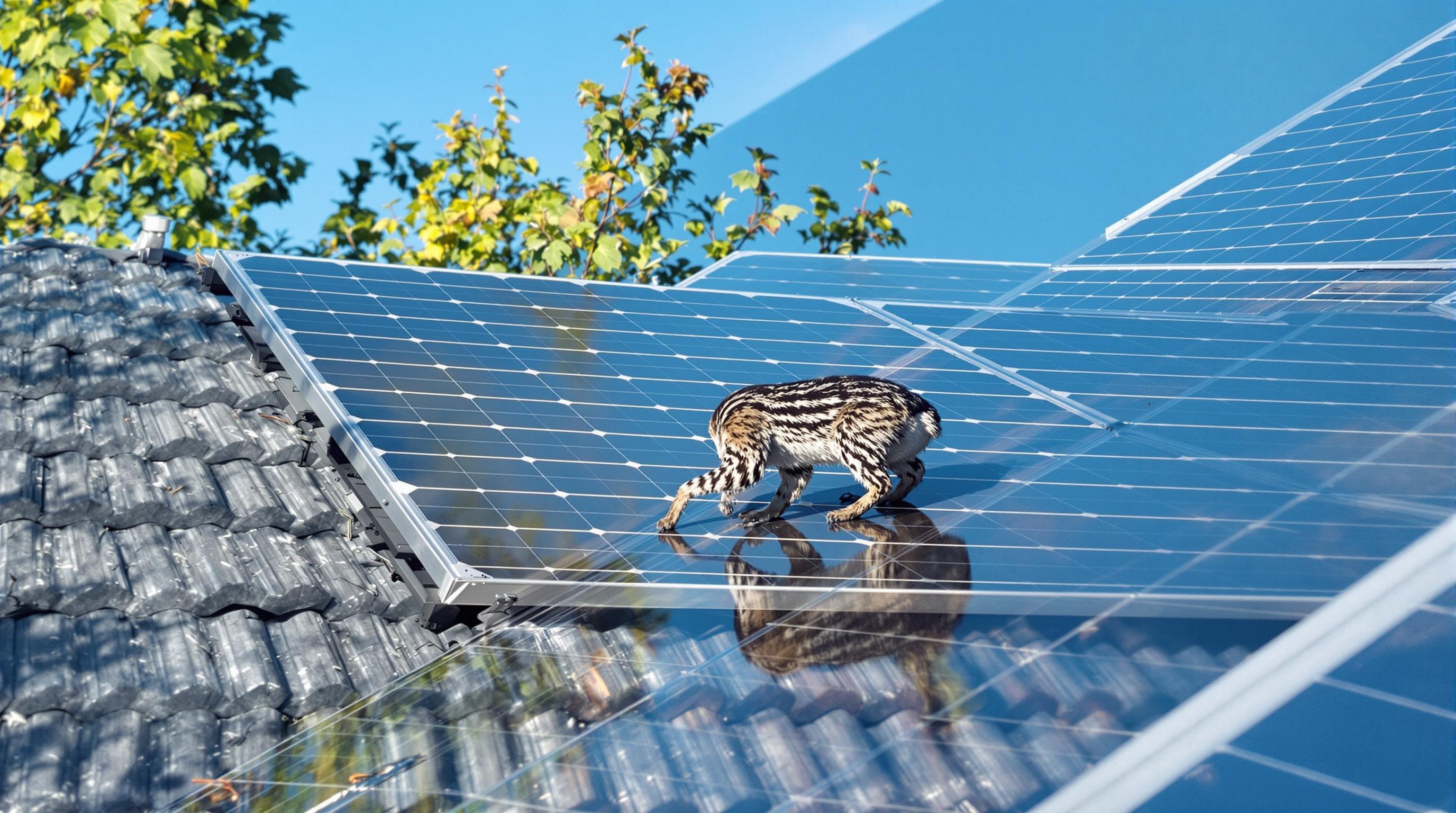
Unseen Challenges in Solar Upkeep: How Wildlife Interactions Impact Panel Longevity and Efficiency
Unseen Challenges in Solar Upkeep: How Wildlife Interactions Impact Panel Longevity and Efficiency
Solar panels have revolutionized renewable energy, but wildlife interactions present unseen challenges that can reduce both the longevity and efficiency of these systems. From bird droppings to squirrels chewing wires, this article explores how nature's inhabitants complicate solar upkeep and what can be done to mitigate these effects.
The Curious Case of Bird Droppings
Imagine a perfectly clean solar panel basking in the sun, absorbing energy at peak efficiency. Now picture flocks of birds treating those panels like their personal restroom. Bird droppings are more than just unsightly—they block sunlight and create “hot spots” on panels that can lead to permanent damage.
A 2021 study by the National Renewable Energy Laboratory (NREL) found that bird droppings can reduce panel output by up to 15% if not cleaned regularly. These so-called “solar hotspots” occur because shaded or blocked cells heat up disproportionately, which stresses the panel’s materials and shortens its lifespan.
Why Do Birds Like Solar Panels?
Solar panels create warm surfaces that attract birds, especially during cooler months. Additionally, the flat surfaces offer ideal nesting spots sheltered from predators. This makes panels a focal point for avian activity, increasing the frequency of contamination and damage.
Squirrels: The Hidden Saboteurs
Squirrels are notorious for gnawing on electrical cables, including those connected to solar panels. According to a survey by the Solar Energy Industries Association (SEIA), over 10% of solar installations in suburban and rural areas report damage linked to rodents each year.
This nibbling is more than a nuisance; exposed wiring can cause short circuits or power outages. Homeowners often don’t realize that an unexpected dip in solar performance could be due to local wildlife sabotage rather than mechanical failure.
Humor Break: When Wildlife Joins the Energy Debate
Could there be a secret meeting somewhere where the local squirrels discuss strategies for evicting solar panels? “Operation Wire Chomp” might just be their latest campaign! All jokes aside, these critters have indeed made solar maintenance quite the adventure for many.
Lessons from a Farm in Iowa
Consider the Johnson family farm, which installed a 30 kW solar array in 2019. Within months, they noticed sharp declines in energy production. Inspections revealed squirrel nests underneath panels and chewed cables. After installing protective mesh and applying wildlife deterrents, production bounced back by nearly 12%.
Mitigation Strategies: Protecting Your Solar Investment
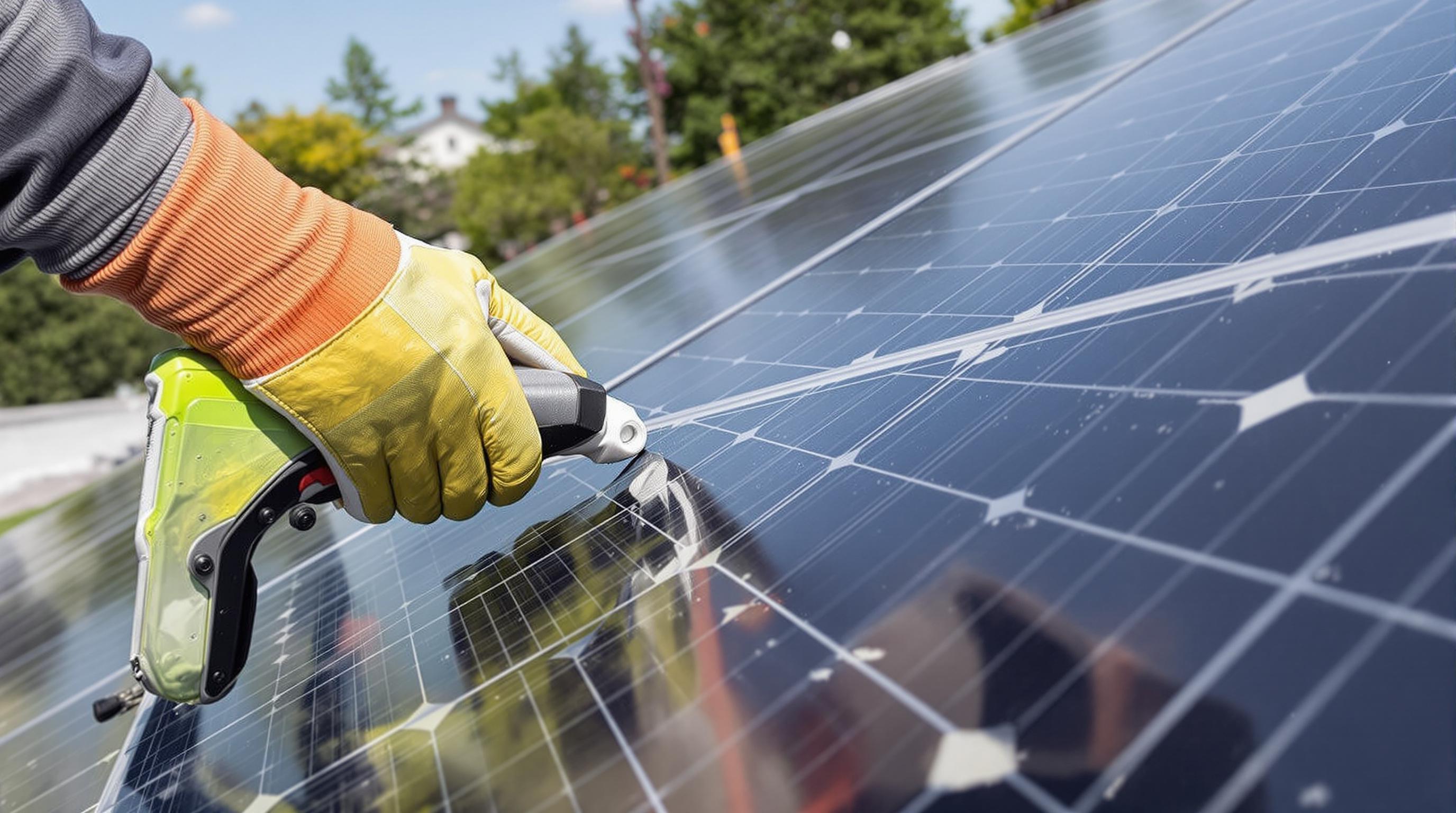
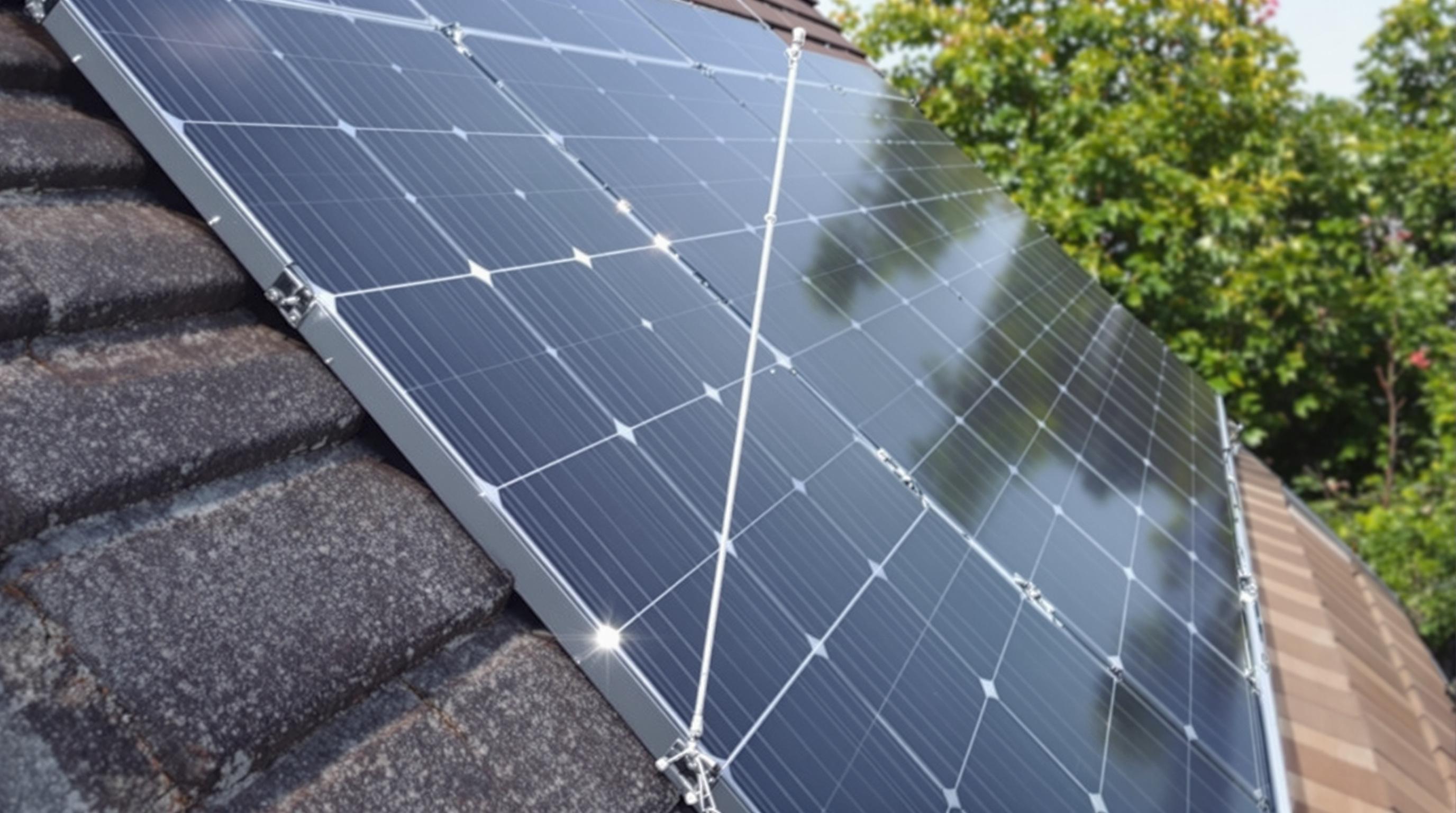
The good news is that many risks posed by wildlife can be managed proactively. Mesh guards around panel edges prevent nests and pests. Regular cleaning schedules remove droppings before they cause damage. Some users deploy ultrasonic animal repellents with varying success.
Experts also recommend designing solar layouts with wildlife in mind—elevating panels or placing arrays away from known animal corridors can reduce unwanted interactions.
Unexpected Allies: Birds That Benefit Solar Installations
Interestingly, not all animal interactions are detrimental. Some birds help by preying on insects that might otherwise harm support structures or by naturally cleaning vegetation around panels. For instance, barn swallows have been observed nesting nearby and contributing indirectly to maintenance by controlling pests.
The Challenge of Solar Farms vs. Wildlife Habitats
As solar farms expand, balancing energy needs with habitat preservation grows complex. Large-scale developments sometimes displace local fauna, yet they can also provide new microhabitats. Ecologists emphasize careful planning to avoid negatively impacting biodiversity, which in the long run supports ecosystem health necessary for sustainable energy production.
Real-World Solar-Sanctuary Hybrid
Take the “Sunflower Solar Sanctuary” project in California, which integrates pollinator-friendly plants beneath solar arrays. This approach attracts beneficial insects and birds, promoting a harmonious relationship between wildlife and renewable energy infrastructure. Early results show stable panel efficiency alongside thriving local ecosystems.
Statistical Overview: Wildlife-Related Solar Panel Issues
Summarizing key data:
- Approximately 15% efficiency loss due to bird droppings without maintenance (NREL, 2021)
- 10% of solar installations report rodent damage annually (SEIA, 2022)
- Solar farms with integrated wildlife-friendly designs show 5-7% improved longevity (Environmental Energy Journal, 2023)
Simple Solutions for Students and Hobbyists
If you’re a young renewable enthusiast installing a small system, consider small mesh fences and routine inspections after storms or heavy animal activity. Even a hastily wiped-down panel can prevent buildup and prolong life.
Storytelling Twist: An Elderly Gardener’s Battle with Nature and Technology
At 67, Martha had never imagined sunbeams and squirrels would be part of her daily gardening challenges. After installing solar panels on her greenhouse roof, she noticed less-than-expected energy output. Determined, Martha researched pest control and learned which plants deter rodents naturally.
Her garden soon flourished along with her power savings. Martha’s tale reminds us that sustainable living means adapting to the unpredictable quirks of nature—sometimes with a bit of grit and good humor.
Concluding Thoughts: Harmony Through Awareness
Wildlife interactions with solar panels are complex and multifaceted, involving both challenges and opportunities. By understanding animal behaviors and integrating thoughtful design and maintenance practices, solar system owners can enhance panel efficiency and longevity while coexisting respectfully with nature.
After all, our pursuit of green energy is strongest when it embraces the living world rather than conflicts with it.
Read More