Related Articles
- 5 Emerging Solar Panel Sensors from the Past Five Years That Are Disrupting Industry Standards
- How Soil Microbes Influence Solar Panel Efficiency and What It Means for Long-Term System Care
- Top 5 Under-the-Radar Solar Inverters Launched Since 2019 That Unlock Hidden State Incentive Perks
- How Solar Equipment Ownership Influences Local Job Markets and Community Economic Growth Patterns
- Unexpected Environmental Consequences of Solar Net Metering on Local Wildlife Habitats and Migration Patterns
- 5 Breakthrough Solar Battery Storage Systems From the Past Five Years Ranked by Real-World Reliability
5 Innovative Solar Panel Monitoring Devices from the Last Five Years That Revolutionize Maintenance Accuracy
5 Innovative Solar Panel Monitoring Devices from the Last Five Years That Revolutionize Maintenance Accuracy
Solar panel monitoring devices have undergone a remarkable evolution over the past five years, dramatically enhancing maintenance precision and efficiency. From AI-powered analytics to drone inspections, these innovations are reshaping how solar energy systems are managed and optimized.
Unmanned Aerial Vehicle Inspections: Eyes in the Sky
Imagine a solar farm sprawling over acres, where manual inspection would take days and countless technicians. Enter drones equipped with thermal and high-resolution cameras that scan panels from above, identifying hotspots, shading issues, or physical damage with remarkable speed. This method reduces inspection times by up to 80%, according to a 2022 report by the National Renewable Energy Laboratory (NREL), and enables maintenance teams to target specific problem areas rather than conducting blanket checks.
Take the example of SunPower Corp., which incorporated drone inspections across its US installations in 2021, resulting in a 25% reduction in downtime caused by undetected panel faults. Pilot projects in Australia and Spain have similarly demonstrated that UAV-based monitoring is not only faster but also safer, minimizing human exposure to difficult terrain or harsh weather conditions.
The Rise of AI-Driven Monitoring Platforms
In an era where data is king, artificial intelligence is reigning supreme in solar monitoring. Platforms like SolarEdge and SenseHawk harness machine learning algorithms to process vast streams of data collected from panel sensors. Instead of relying solely on raw data, these platforms identify patterns, predict potential failures, and recommend preemptive action to technicians.
For example, SenseHawk’s AI-driven platform reportedly increased fault-detection accuracy by 35%, leading to significant cost savings for large-scale operations in India and the Middle East. This approach is a game-changer, especially as solar farms grow larger and more complex.
Case Study: How Enphase Energy Lowered Maintenance Costs
Enphase Energy's adoption of advanced monitoring modules demonstrates the practical benefits of these innovations. By embedding microinverters paired with smart monitoring devices, Enphase allows real-time status checks on each panel. In one Californian solar installation, this resulted in early identification of a degradation anomaly that could have otherwise escalated to massive energy loss. Maintenance teams repaired affected modules within days, saving the client an estimated $150,000 in lost production over a year.
Conversational Insight: Let’s Talk Smart Sensors
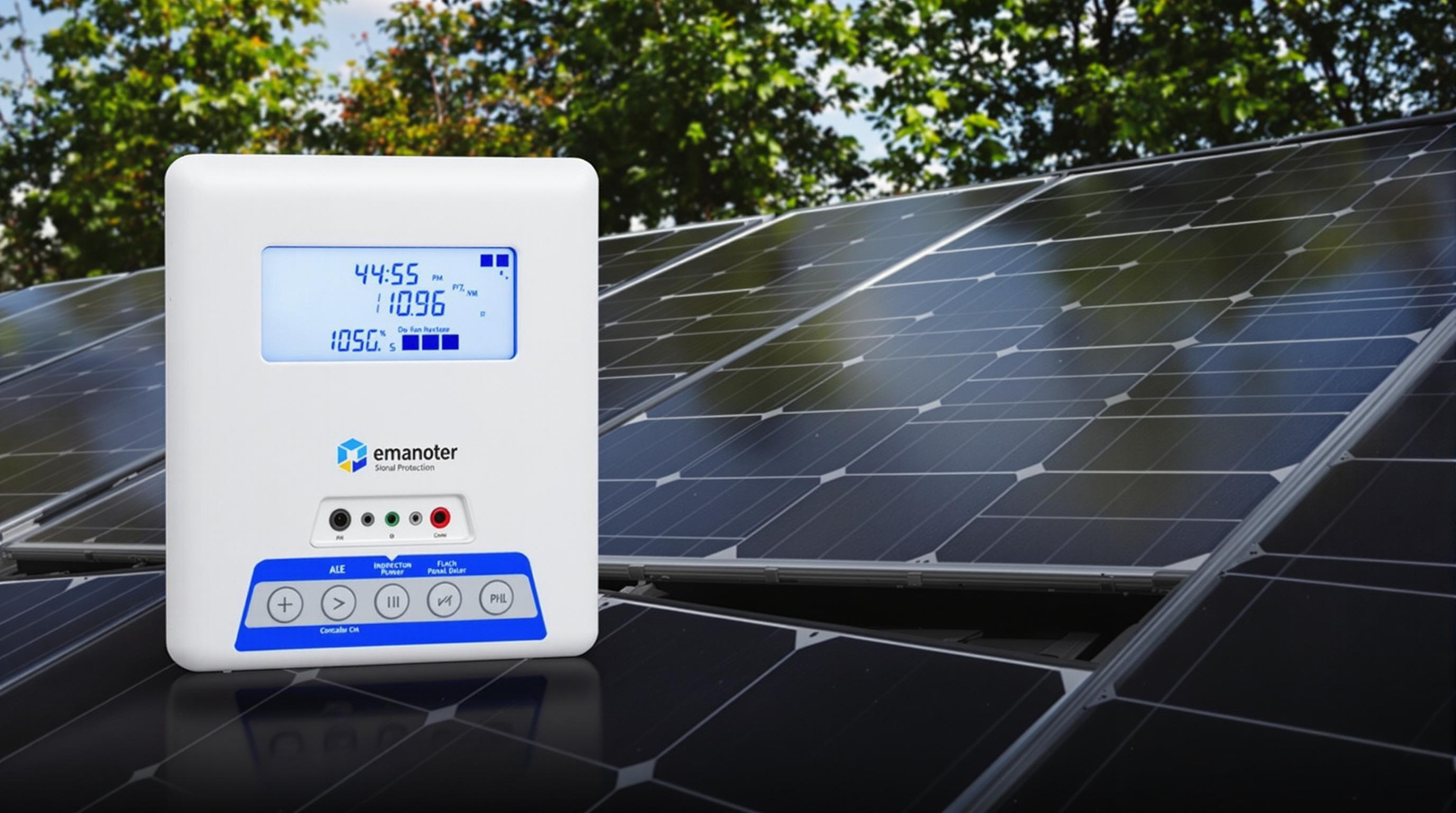
Hey, have you ever wondered how solar panels “talk” about their health? It turns out, tiny smart sensors embedded in panels do more than just keep an eye on temperature and voltage. Devices like the SunPower IQ Gateway collect environmental and performance data, which is then transmitted over the cloud for immediate analysis. This real-time monitoring means if something’s off—even if it’s a minor shading from a nearby tree—fixes can happen immediately. No more waiting for quarterly checks or surprise outages!
Statistical Snapshot: Maintenance Accuracy Boost
Studies in renewable energy technology reveal that integrating advanced monitoring devices can boost maintenance accuracy by an impressive 40-60%. This means fewer false alarms, targeted repairs, and longer lifespan for solar equipment, according to the International Energy Agency’s 2023 report.
Case Study in Innovation: PV Analyzer’s Revolutionary Sensor Arrays
PV Analyzer, a company founded in 2018, revolutionized solar monitoring by developing sensor arrays capable of detecting microcracks invisible to the naked eye. These cracks traditionally reduce panel efficiency but often go undetected until significant performance degradation occurs. Their patented sensor technology ensures early detection and precise localization, enabling maintenance crews to intervene quickly.
Field trials in Germany’s largest solar park resulted in a 15% rise in annual energy output due to reduced downtime and targeted maintenance.
A Humorous Take: If Solar Panels Could Complain...
If solar panels had voices, their grumbles might go something like, “Hey, I’m overheating over here!” or “Ouch! That crack feels quite annoying.” Monitoring devices are essentially the panels’ hotline to human caretakers, translating silent distress signals into actionable alerts. It’s like giving your solar panels a superhero sidekick who spots trouble before it becomes a disaster. Maintenance just got a whole lot smarter—and less stressful.
Emerging Trends and Future Outlook
Looking ahead, integration with Internet of Things (IoT) technology is slated to enhance solar monitoring even further. Devices will become more interconnected, responding autonomously to detected anomalies through automated maintenance robots or adaptive shading solutions.
The convergence of AI, drone technology, and sensor innovations indicates a future where solar farm maintenance is mostly predictive and preventative, drastically cutting operational costs and increasing reliability. This transformation not only benefits energy producers but also end consumers, contributing to a more resilient and sustainable energy landscape.
A Note on User Accessibility
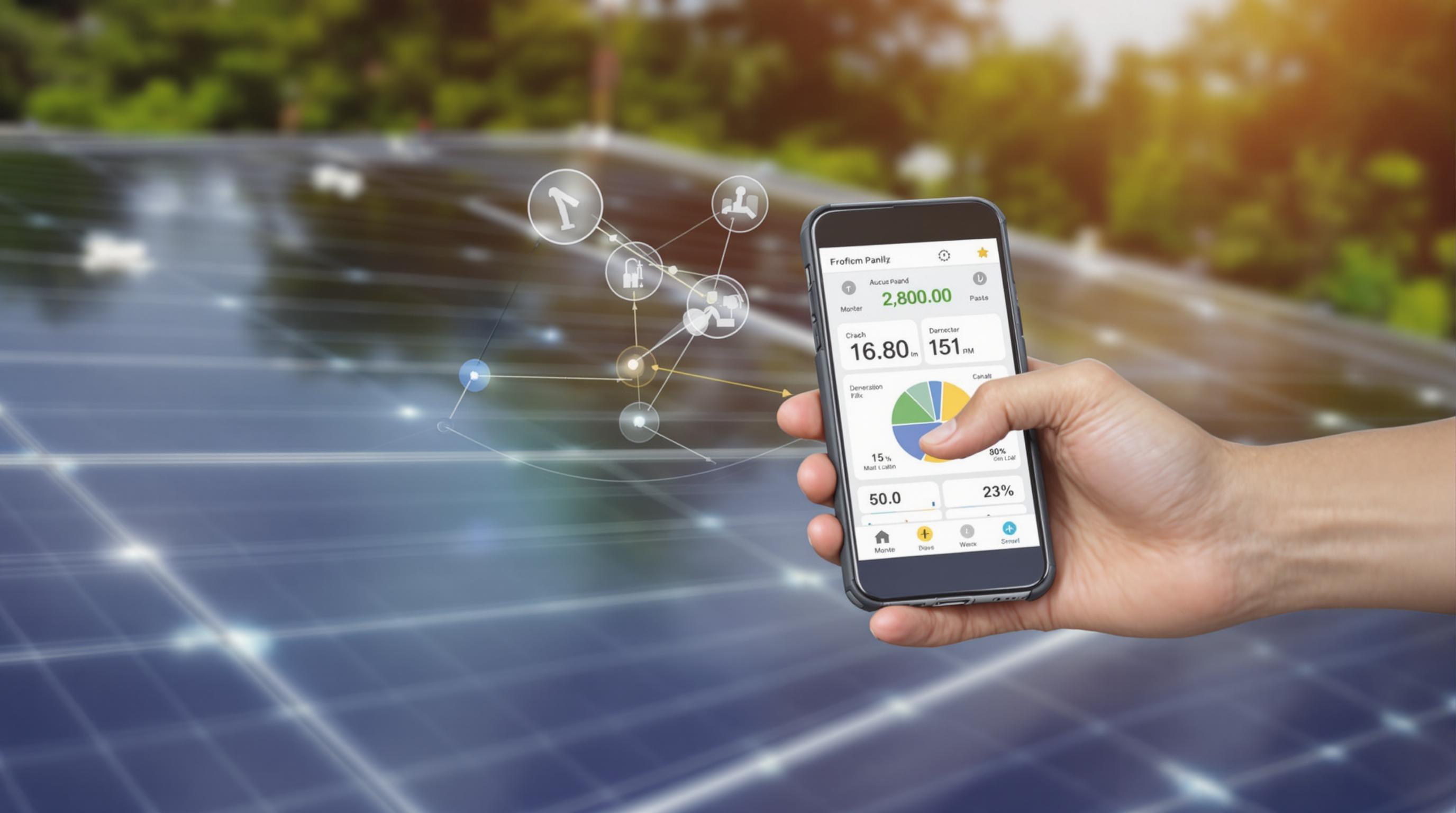
One of the notable shifts in the past five years is the democratization of monitoring technology. Devices once reserved for large-scale operations are now scaled to suit residential solar setups. Homeowners can now leverage apps linked to these monitoring gadgets to track their system’s performance daily, receive maintenance alerts, and even optimize their consumption patterns.
Wrapping It Up
From drone inspections to AI analytics, the last five years have produced innovative solar panel monitoring devices that revolutionize maintenance accuracy and efficiency. These technologies not only enhance performance and longevity of solar systems but also pave the way for a smarter, cleaner energy future.
Author: Aisha, Age 42, Investigative Journalist focused on renewable energy and technology trends
Read More