Related Articles
- 5 Emerging Solar Panel Sensors from the Past Five Years That Are Disrupting Industry Standards
- How Soil Microbes Influence Solar Panel Efficiency and What It Means for Long-Term System Care
- Top 5 Under-the-Radar Solar Inverters Launched Since 2019 That Unlock Hidden State Incentive Perks
- How Solar Equipment Ownership Influences Local Job Markets and Community Economic Growth Patterns
- Unexpected Environmental Consequences of Solar Net Metering on Local Wildlife Habitats and Migration Patterns
- 5 Breakthrough Solar Battery Storage Systems From the Past Five Years Ranked by Real-World Reliability
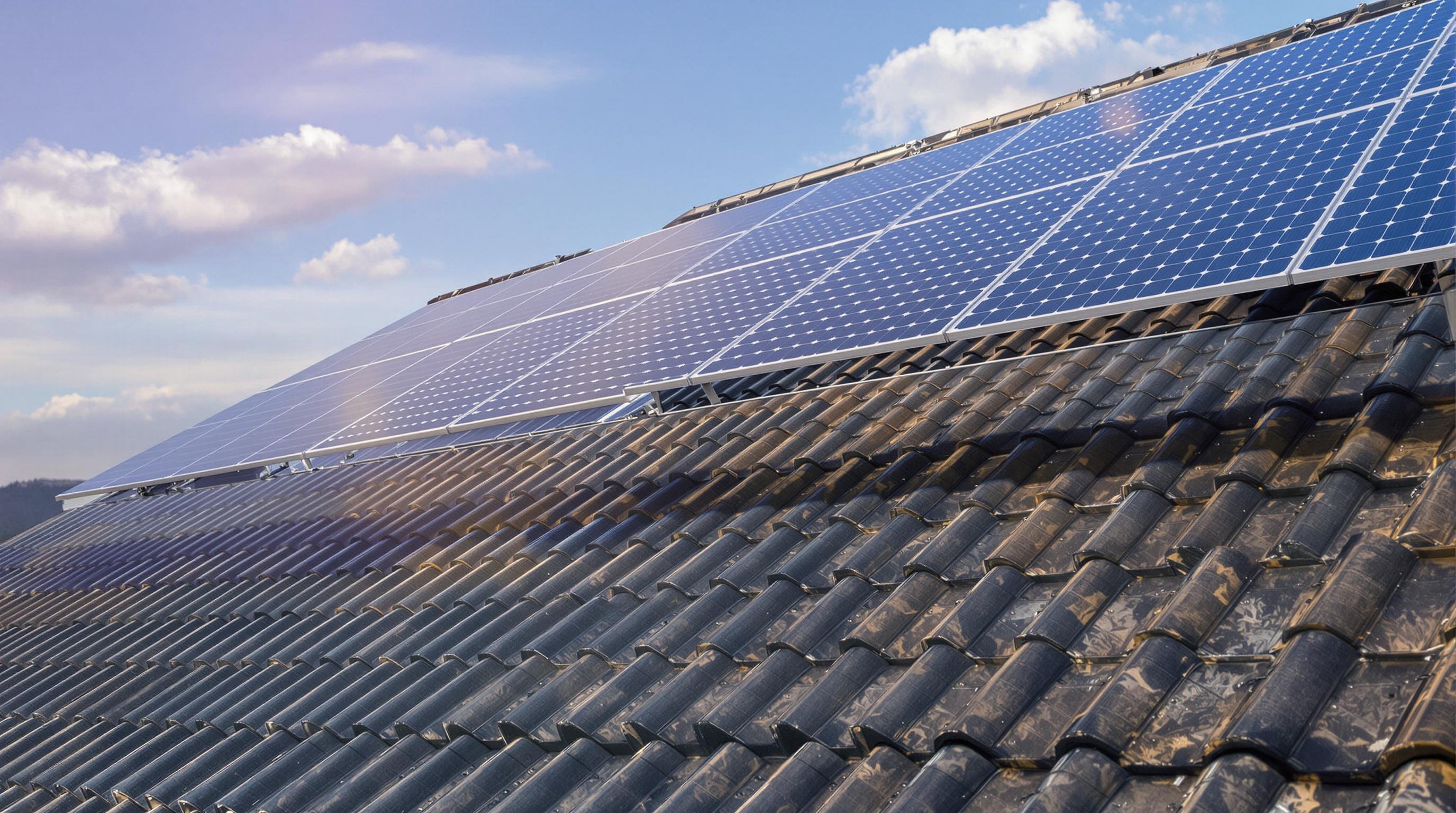
Top 6 Innovative Solar Power Setups from Recent Years That Challenge Traditional Lease and Buy Choices
Top 6 Innovative Solar Power Setups from Recent Years That Challenge Traditional Lease and Buy Choices
Solar power is evolving beyond the conventional lease-or-buy model, with groundbreaking installations shaking up how we embrace renewable energy. From community microgrids to AI-optimized panels, here are the top six innovations transforming solar adoption.
1. Community Solar Gardens: Democratizing Access
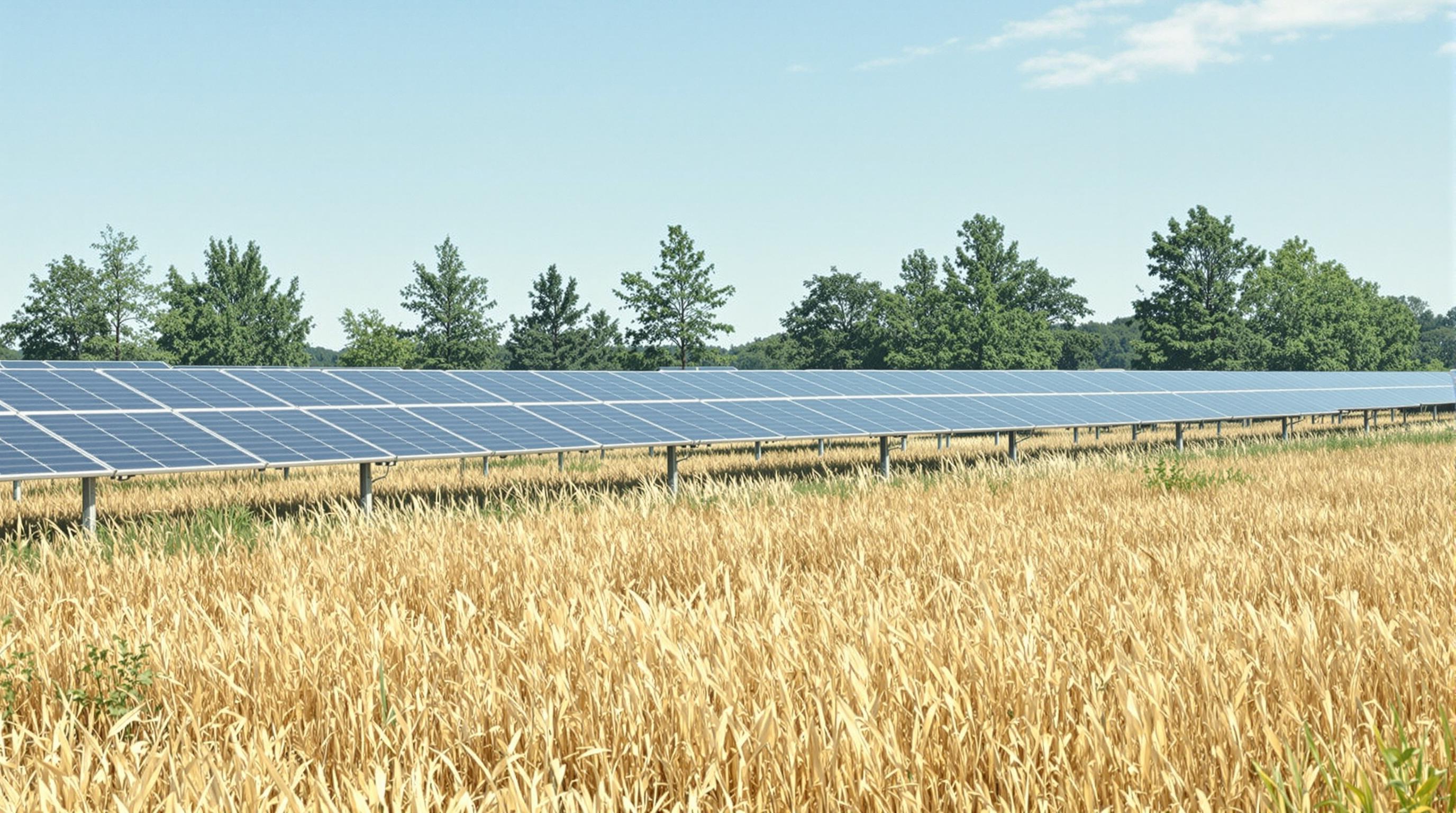
Imagine tapping into solar energy without installing a single panel on your roof. Community solar gardens are real-life examples of this concept, where multiple residents or businesses buy or lease a portion of a large shared solar array. This model breaks down economic and geographical barriers, providing renewable energy access to renters, shaded properties, and low-income households.
One striking example is the Solar Shares program in Minneapolis, which enrolls participants through a subscription model, allowing them to save roughly 10-20% on their electricity bills. According to the National Renewable Energy Laboratory, community solar projects have seen a 300% increase in participation between 2015 and 2020. It's a testament to the ingenuity of collective ownership and environmental stewardship.
A Young Writer’s Perspective, Age 24
When I first heard about community solar, I thought, “Wait, I can benefit from solar panels on my neighbor’s rooftop?” This setup is perfect for young renters like me who crave sustainability without the hassle of installation or upfront costs. It feels like a win-win, democratizing energy use in ways traditional lease or buy schemes just can’t match.
2. Solar-as-a-Service (SaaS): Subscription Model for Renewables
Forget buying or leasing panels outright. The Solar-as-a-Service model delivers solar energy as a subscription, shifting the financial burden from customers to service providers. This option often includes installation, maintenance, and monitoring, all powered by technology.
Sunrun, a leading provider of solar energy services, reported that 40% of new solar customers in 2023 opted for a SaaS plan, citing convenience and lowered upfront costs. Customers pay a fixed monthly rate or a variable charge based on usage, much like their internet or cable bill.
This model is shaking up traditional sales because it aligns well with the subscription-driven economy that today’s consumers prefer—in other words, pay for energy like a SaaS product rather than a capital investment.
3. Solar + Storage Microgrids: Empowering Resilience
During natural disasters or grid failures, traditional solar systems can become useless without energy storage. Microgrids incorporating solar panels and battery storage provide localized power generation that operates independently—or in “island mode”—from the main grid.
In Puerto Rico, post-Hurricane Maria efforts led to thousands of homes adopting solar+storage microgrids to ensure uninterrupted power supply in similar future crises. According to research from the Rocky Mountain Institute, these microgrids increased energy resilience by 75%, reducing outage durations dramatically.
This setup appeals especially to rural communities, emergency services, or anyone valuing energy security beyond simple cost savings.
A Dash of Humor from a 37-Year-Old Tech Enthusiast
Who knew that when the lights go out, your solar panels could actually keep the party alive? With solar+storage microgrids, you might just end up being your neighborhood’s unofficial energy superhero. "Sorry, no candles here, folks—I've got batteries backed by the sun!"
4. AI and IoT-Enhanced Solar Installations
Artificial Intelligence (AI) and the Internet of Things (IoT) have entered the solar scene, optimizing energy production and consumption like never before. Smart solar panels connected to cloud-based analytics can predict weather patterns, adjust panel angles automatically, and even detect faults before they cause power losses.
Case in point: Tesla’s Solar Roof with integrated Powerwall storage and AI-driven energy management. It reportedly boosts efficiency by up to 30% compared to standard solar arrays. Users benefit from smart grid interactions, selling excess power back to utilities during peak demand.
These installations are turning solar into a highly interactive energy experience, ready for the digital age.
5. Pay-As-You-Go Solar Systems in Developing Regions
In many parts of Africa and Asia, access to electricity remains limited. Innovative pay-as-you-go (PAYG) solar solutions provide affordable, incremental payment options for households to install small-scale solar kits.
Companies like M-KOPA in Kenya have connected over 1 million homes to solar power by allowing customers to pay via mobile money in small daily or weekly installments. This model bypasses traditional lease or purchase costs, making clean energy accessible to those with limited income.
The PAYG approach aligns technology with social impact, generating an 80% reduction in kerosene use among participating households, according to an International Energy Agency report.
A Casual Chat from an Energy Analyst, Age 45
If you’re curious about how off-grid communities get clean energy, PAYG solar is your answer. This model blends tech and local realities, letting people pay what they can when they can. It’s a subscription of hope against the backdrop of energy poverty that's truly revolutionary.
6. Solar-Powered Electric Vehicle Charging Stations
With electric vehicle (EV) adoption skyrocketing, the green credentials of charging infrastructure cracks under scrutiny. Enter solar-powered EV charging stations—innovative setups that combine solar arrays with battery storage to supply clean energy to vehicles directly.
For instance, the BEAM network in California installed over 50 solar-powered charging hubs by 2022, reducing the carbon footprint of EV charging by 60% compared to grid electricity. This integration challenges the paradigm that solar is just for residential rooftops.
The rise of decentralized solar-powered charging points epitomizes how renewable energy can dovetail elegantly with emerging transportation technologies.
Conclusion: Rethinking Solar Adoption Beyond Lease and Buy
The solar industry is no longer boxed in by traditional lease or buy choices, thanks to these transformative innovations. From community solar subscriptions to AI-enhanced smart arrays, each model caters to diverse needs, whether for cost-efficiency, accessibility, resilience, or sustainability.
For consumers aged 16 to 70—whether you’re a student, homeowner, or environmental advocate—the variety of solar options today offers more freedom and empowerment than ever before. The future of solar isn't just bright; it's versatile, inclusive, and brilliantly customized.
References:
National Renewable Energy Laboratory (NREL), Community Solar Programs Report, 2020
Rocky Mountain Institute, Microgrids for Resilience, 2021
International Energy Agency (IEA), Off-Grid Solar Market Trends Report, 2022
Sunrun, Customer Insights Report, 2023
BEAM Network, Sustainability Impact Study, 2022
Read More