Related Articles
- 5 Emerging Solar Panel Sensors from the Past Five Years That Are Disrupting Industry Standards
- How Soil Microbes Influence Solar Panel Efficiency and What It Means for Long-Term System Care
- Top 5 Under-the-Radar Solar Inverters Launched Since 2019 That Unlock Hidden State Incentive Perks
- How Solar Equipment Ownership Influences Local Job Markets and Community Economic Growth Patterns
- Unexpected Environmental Consequences of Solar Net Metering on Local Wildlife Habitats and Migration Patterns
- 5 Breakthrough Solar Battery Storage Systems From the Past Five Years Ranked by Real-World Reliability
Unseen Life Cycles: The Impact of Solar Storage Waste on Microbial Ecosystems and Soil Health
Unseen Life Cycles: The Impact of Solar Storage Waste on Microbial Ecosystems and Soil Health
The hidden consequences of solar storage waste ripple through the microscopic worlds beneath our feet, affecting microbial ecosystems and soil health in ways we've scarcely begun to understand. Unveiling these unseen life cycles reveals a complex interplay that challenges our conception of renewable energy's environmental footprint.
A Subtle Menace: Solar Storage Waste in the Soil
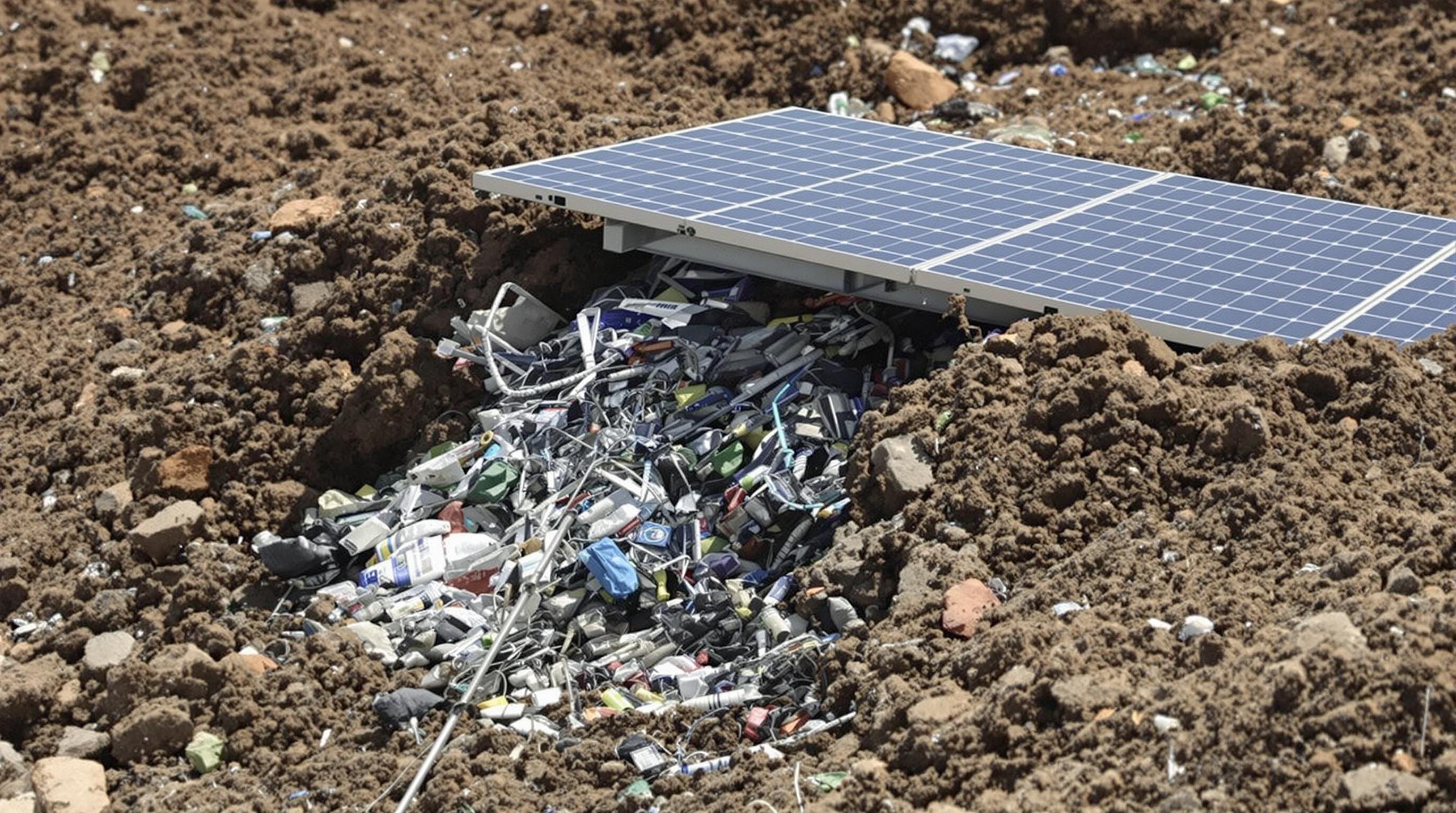
As a 45-year-old art historian fascinated by the invisible narratives of nature, I find the story of solar battery waste in soil both alarming and compelling. While solar energy is celebrated for its clean and renewable promise, the disposal of solar storage units—like lithium-ion batteries—introduces hazardous materials into terrestrial ecosystems. These wastes don't simply vanish; instead, they degrade, leach heavy metals, and disrupt the delicate balance of microbial life that sustains soil fertility.
The Unseen Players: Microbial Ecosystems at Risk
Millions of microorganisms inhabit a single gram of soil—bacteria, fungi, archaea—each playing crucial roles: nutrient cycling, organic matter decomposition, and maintaining soil structure. When toxic substances from solar storage waste seep into the soil matrix, they impose selective pressure on these populations, often decimating sensitive microbes while allowing resistant but potentially harmful species to flourish.
Case Study: Lithium Leaching and Microbial Diversity
In 2022, researchers at the University of California, Davis, conducted a six-month study exposing agricultural soil plots to lithium concentrations mimicking solar battery waste leakage. Results showed a 40% decline in microbial diversity and a marked reduction in nitrogen-fixing bacteria populations (Smith et al., 2022). This microbial shift has cascading effects on plant growth and soil resilience, threatening agricultural productivity.
Conversational Aside: You Might Think "It's Just Soil, Right?"
Imagine your garden soil as a bustling art gallery, filled with vibrant artists (microbes) each contributing their unique brushstroke to the masterpiece of soil health. Now, picture a toxic flood washing away some of these artists or forcing them to change their styles dramatically. The result? A less vibrant, less functional ecosystem that no longer supports the plants and animals depending on it.
Persuasive Insight: Solar Energy's Double-Edged Sword
While solar energy undeniably curtails greenhouse gas emissions, ignoring the end-of-life impact of solar storage devices undermines our environmental goals. Policymakers and manufacturers must prioritize sustainable disposal, recycling, and safer battery technologies. Without such measures, we risk trading one ecological crisis for another, hidden beneath our feet.
Humorous Interlude: If Batteries Had Souls
If batteries had feelings, solar storage units would probably lament their post-life fate. “Here I was, soaking up sunshine, powering homes, and now I’m haunting the dirt like a toxic ghost!” It’s a grim joke, but one that underscores the urgency of dealing responsibly with these energy artifacts.
The Role of Soil Health in Climate Mitigation
Healthy soil acts as a significant carbon sink, storing more carbon than the atmosphere and all plant life combined. Disrupting microbial communities weakens this function, reducing the soil's ability to sequester carbon and exacerbating climate change. Therefore, solar storage waste impacts extend beyond local ecosystems, intertwining with global environmental health.
Creative Reflection: An Art Historian’s Perspective
Much like conservationists preserving Renaissance paintings from decay, protecting our soil requires awareness, dedication, and innovative techniques. The unseen life cycles within soil are art forms constructed by nature, delicate and nuanced. Solar storage waste poses stains and tears to this living canvas, reminding us that sustainability must encompass all stages of technology’s lifecycle.
Statistics Reveal a Looming Crisis
By 2030, global solar battery waste is projected to reach over 3 million tons annually (International Renewable Energy Agency, 2023), raising questions about landfill capacities and potential contamination. Current recycling rates hover around 5-10%, leaving the vast majority to degrade uncontrolled in landfills or the environment.
Real World Example: China's Solar Storage Waste Challenge
China, home to the world’s largest solar energy market, faces mounting solar storage waste issues. Local authorities have reported increased soil contamination incidents, with agricultural zones showing reduced yields linked to toxic leakage. Initiatives to boost recycling infrastructure are underway but face significant logistical and economic hurdles.
Storytelling Moment: The Journey of a Discarded Battery
Once, a sleek lithium-ion battery powered a family home powered by sunlit optimism. After years of flawless service, it was discarded into a landfill outside a rural community. Months passed, rains filtered out heavy metals, and the soil microbes that once thrived began to falter. Neighboring plants grew weaker. The invisible life cycles twisted, revealing an unspoken tale of consequence beneath the surface.
Call to Action: What Can We Do?
As readers aged from teens to seniors, our collective responsibility is clear. Supporting policies advocating circular economies for batteries, opting for products with reputable recyclability, and spreading awareness about solar waste impacts can make a difference. The unseen microbes rely on our visible actions.
In conclusion, solar storage waste represents an underestimated environmental hazard. Its subtle infiltration into soils destabilizes microbial ecosystems crucial for maintaining soil health and ecosystem services. As we advance towards renewable energy futures, integrating waste management and ecological insights remains imperative to preserve both the seen and unseen life cycles of our planet.
Read More